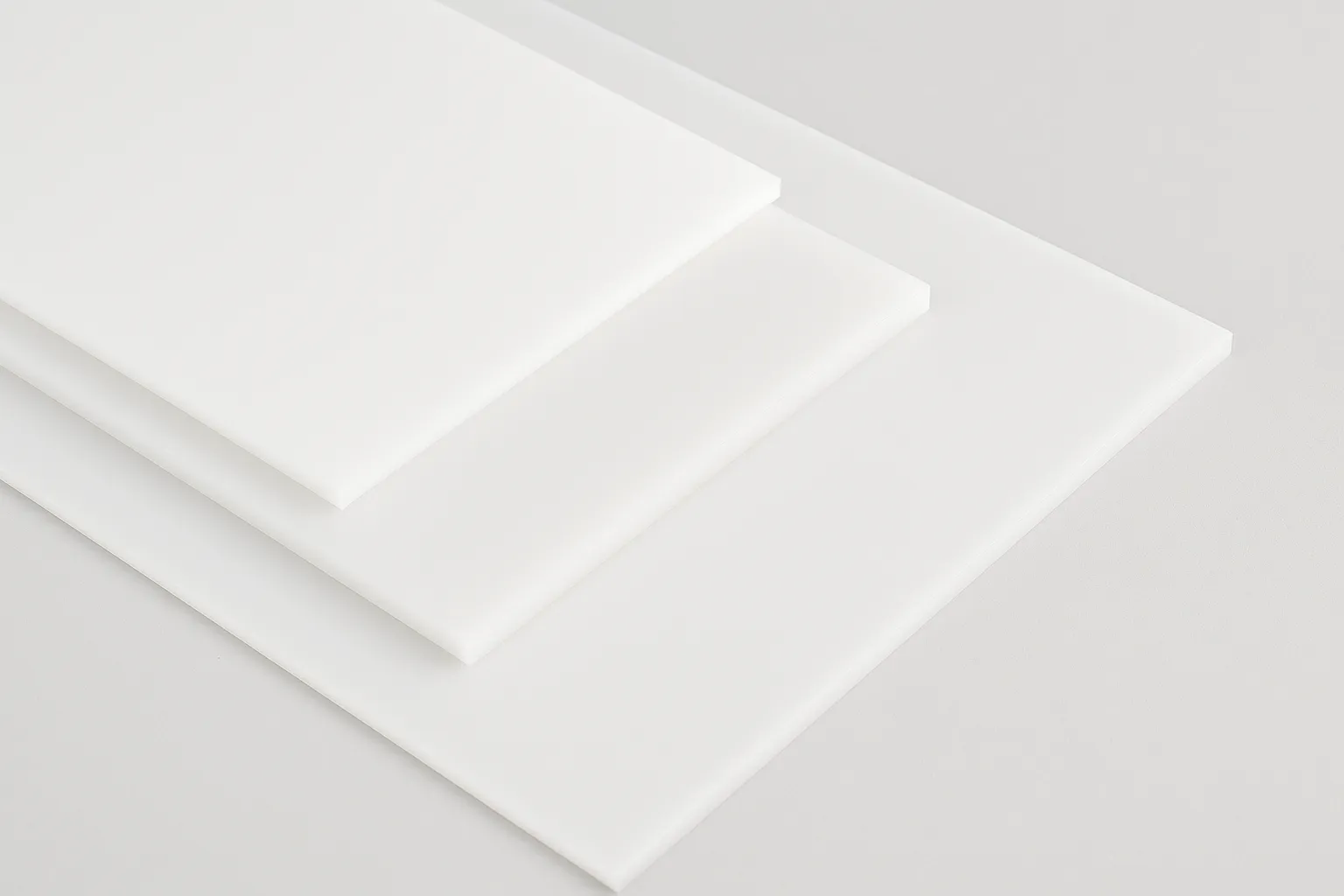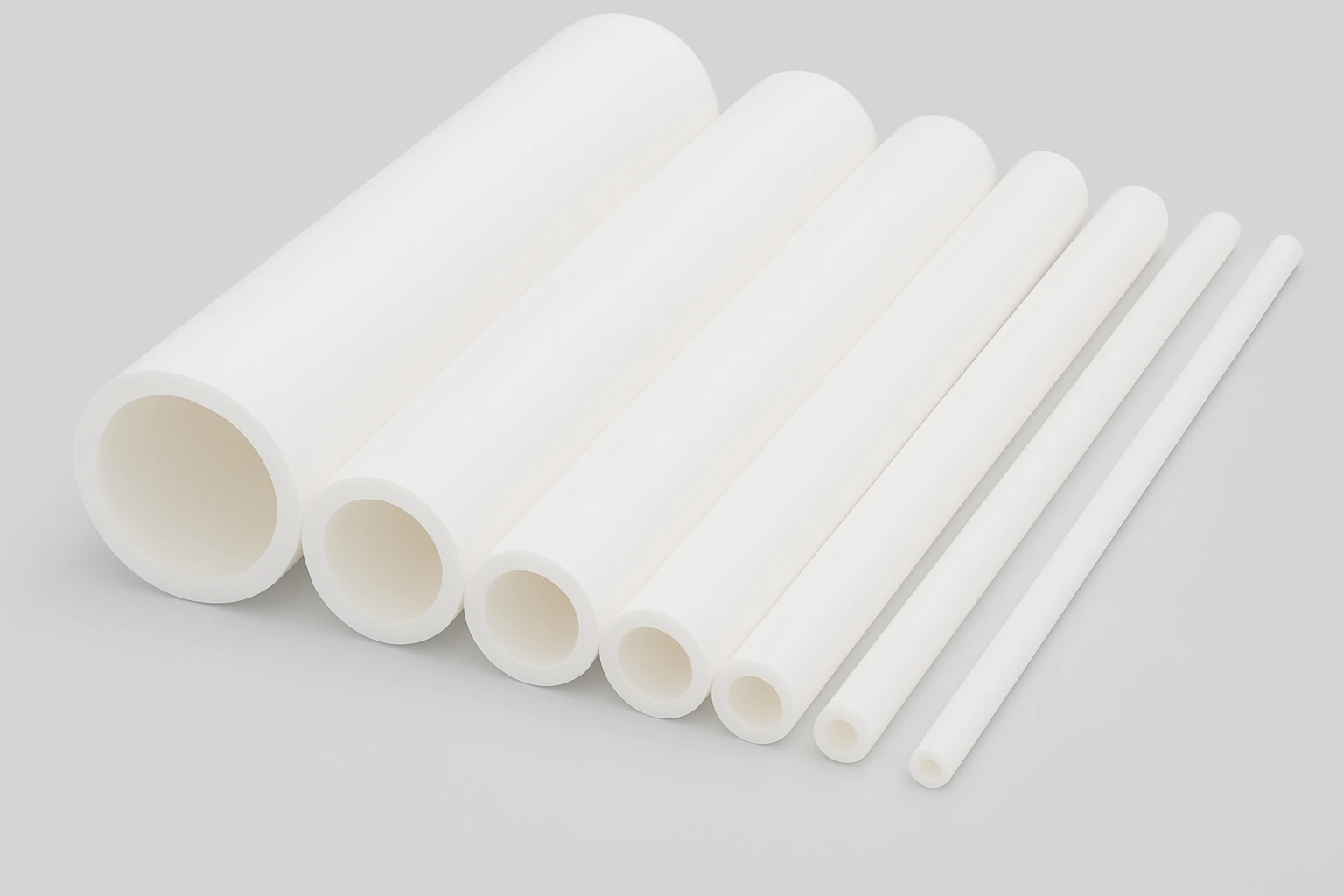
XIFLON PTFE XF100 sheets—available as molded and skived—deliver PTFE’s core advantages with superior flatness, straightness, and tight thickness control. Made from high-purity virgin PTFE, they ensure stable performance in demanding industries.
Resists aggressive acids, bases, and solvents; naturally hydrophobic and non-stick for clean surfaces and long service.
Stable from −200 °C to +260 °C, maintaining performance through thermal cycling and demanding process conditions.
High dielectric strength and resistivity—reliable for spacers, fixtures, and insulation plates in harsh media.
Molded sheets, skived sheets, and skived rolls cover plate and continuous length needs for efficient fabrication.
Precision molded and skived PTFE sheets for reliable sealing, machining, and long-term stability in harsh media.
Contact UsOur PTFE sheets are manufactured by compression molding of virgin resin, then sintered for flatness and tight thickness control.
They deliver consistent performance, machinability, and sealing reliability in demanding environments.
Flat, stable dimensions with precise thickness control across a wide range.
Smooth, defect-free finish ensuring reliable sealing and lining use.
Maintains chemical resistance and thermal stability under load.
Compliant with ASTM/ISO standards for tested and certified performance.
| Thickness, mm | Thickness Tolerance | Width / Length, mm |
|---|---|---|
| 3 | 0 / +0.75 mm | 1000×1000 / 1200×1200 / 1500×1500 |
| 4 | 0 / +0.75 mm | 1000×1000 / 1200×1200 / 1500×1500 / 1800×1800 |
| 5 | 0 / +15 % | 1000×1000 / 1200×1200 / 1500×1500 / 1800×1800 / 2000×2000 |
| 6 | 0 / +15 % | |
| 8 | 0 / +15 % | 1000×1000 / 1200×1200 / 1500×1500 / 1800×1800 / 2000×2000 / 1000×2000 |
| 10 | 0 / +15 % | |
| 12 | 0 / +15 % | |
| 15 | 0 / +15 % | |
| 20 | 0 / +15 % | |
| 25 | 0 / +15 % | |
| 30 | 0 / +15 % | |
| 35 | 0 / +15 % | |
| 40 | 0 / +15 % | |
| 45 | 0 / +15 % | 1000×1000 / 1200×1200 / 1500×1500 / 1800×1800 / 2000×2000 |
| 50 | 0 / +15 % | |
| 55 | 0 / +15 % | |
| 60 | 0 / +15 % | |
| 65 | 0 / +15 % | |
| 70 | 0 / +15 % | |
| 75 | 0 / +15 % | 1000×1000 / 1200×1200 / 1500×1500 |
| 80 | 0 / +15 % | |
| 85 | 0 / +15 % | |
| 90 | 0 / +15 % | |
| 95 | 0 / +15 % | |
| 100 | 0 / +15 % | |
| 110 | 0 / +15 % | 680×680 / 1000×1000 / 1200×1200 |
| 120 | 0 / +15 % | |
| 130 | 0 / +15 % | |
| 140 | 0 / +15 % | |
| 150 | 0 / +15 % |
are available upon request to meet specific application specifications. Length is supplied according to customer requirements.
Through compression molding and skiving, XIFLON PTFE sheets deliver flatness, thickness control, and smooth surfaces. With their chemical resistance, thermal stability, and dielectric properties, PTFE sheets ensure reliable sealing, lining, and machining where other materials fail.
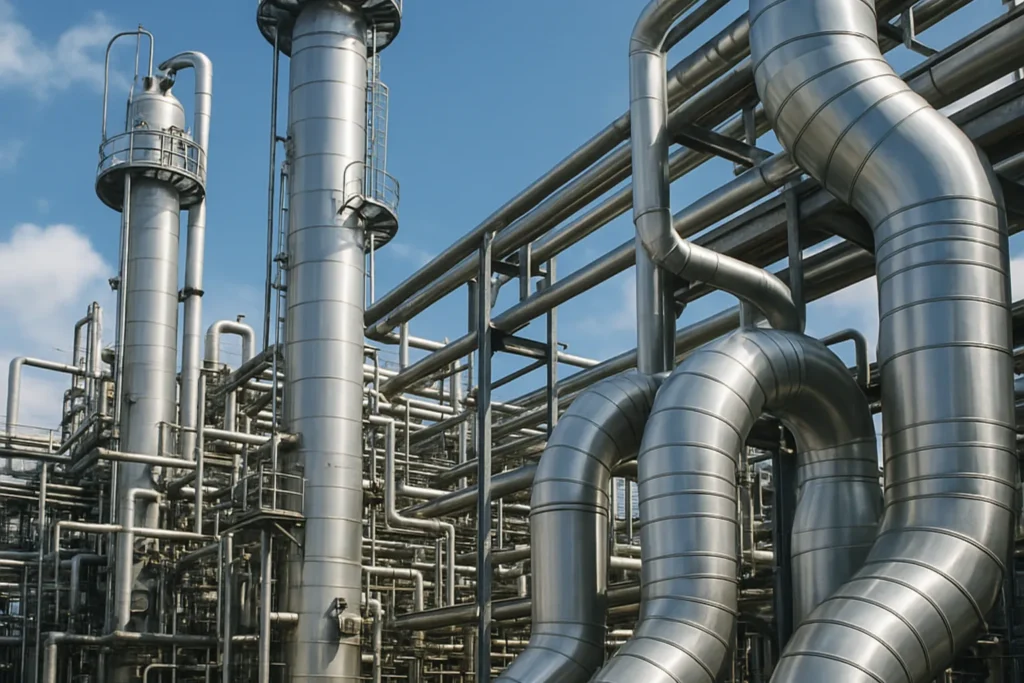
Applications: Seals, gaskets, valve parts for pumps and process equipment.
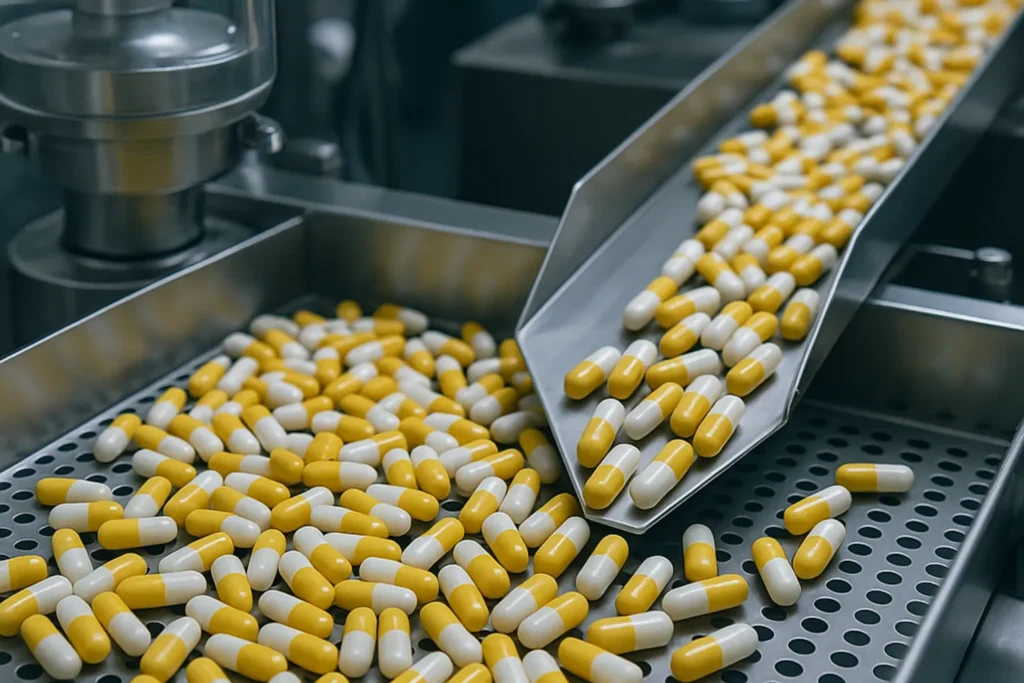
Applications: Seals, gaskets, valve parts for hygienic processes.
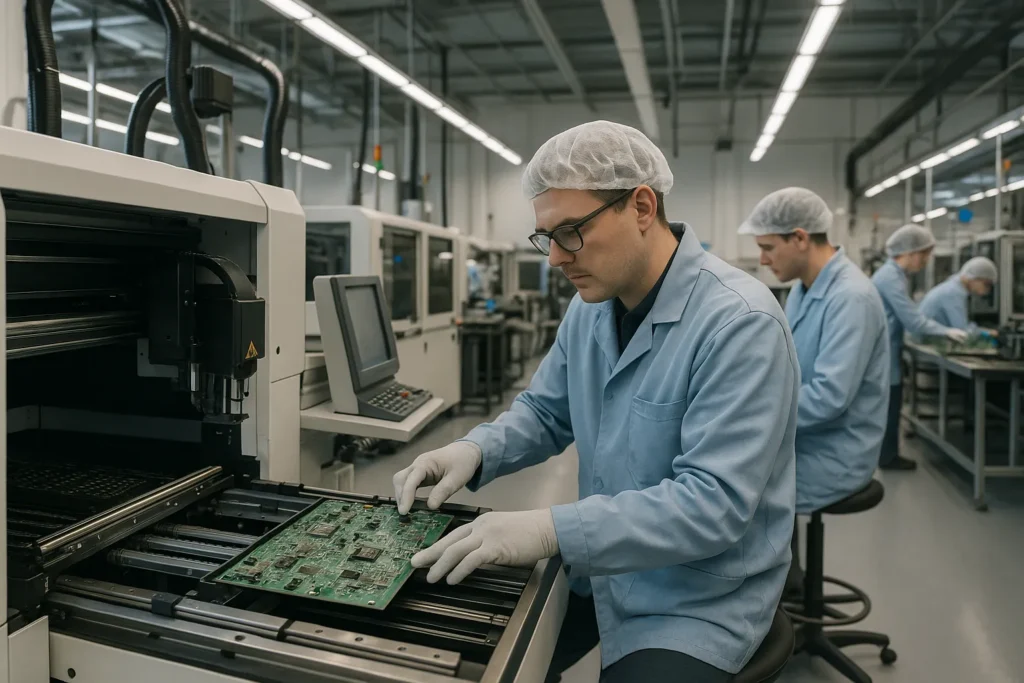
Applications: Insulators, spacers, dielectric components.

Applications: Bushings, bearings, custom parts for corrosive media.

Applications: High‑purity precision components with smooth finishes.
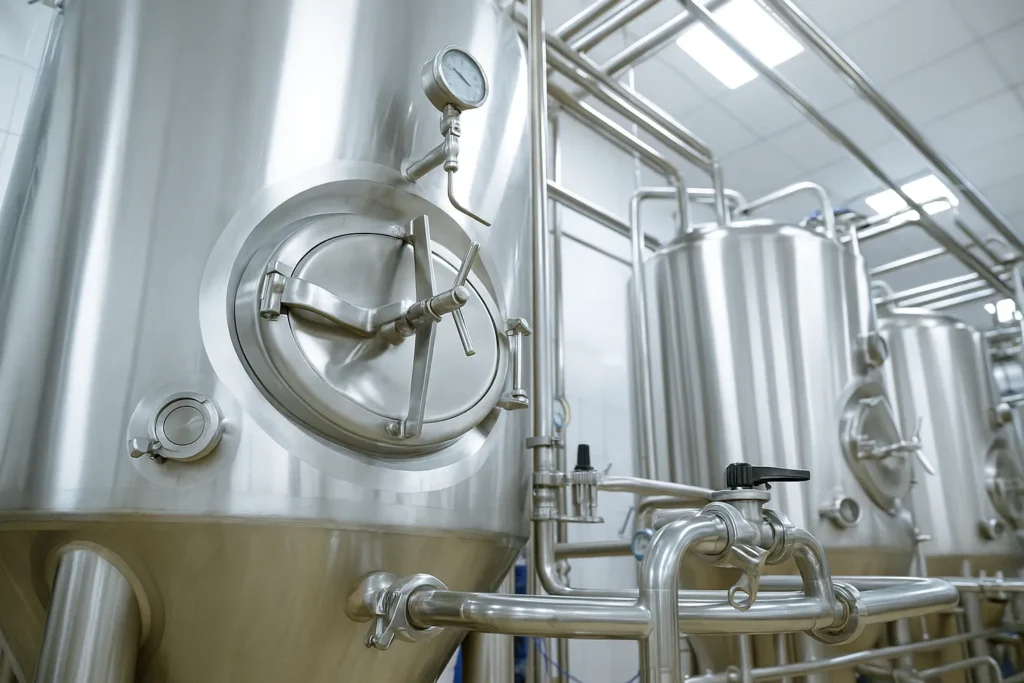
Applications: Hygienic seals, fittings, and machined parts for tanks and processing equipment.



Superior flatness and precise thickness control across sheet sizes.
Smooth, defect-free surfaces ideal for sealing and lining use.
Proven resistance to chemicals, heat, and dielectric stress.
Guidance for gaskets, seals, insulation, and precision machining.
Serving chemical, food, pharma, and electronic industries worldwide.
PTFE sheets (Polytetrafluoroethylene), also known by the trade name Teflon®, are semi-finished fluoropolymer products known for their exceptional chemical resistance, low friction, and high-temperature stability.
Unique properties of PTFE sheets:
In short: PTFE sheets are the gold standard for chemical resistance, non-stick performance, and high-temperature use.
PTFE sheets are manufactured by skiving, molding, or extrusion, offering a wide selection of thicknesses and formats.
Thickness range:
Sheet sizes:
Surface finishes:
PTFE sheets can be supplied in ultra-thin films, standard stock, or thick plates — depending on your application.
PTFE sheets are widely used across industries thanks to their non-stick, chemical-resistant, and insulating properties.
Key industries & applications:
From chemical tanks to food plants, PTFE sheets are used wherever extreme resistance and non-stick properties are required.
PTFE is one of the most chemically inert and thermally stable plastics available.
Temperature performance:
Wear & friction:
Chemical resistance:
If you need a plastic that resists nearly everything and performs from cryogenic to high-heat conditions, PTFE sheets are unmatched.
While all are fluoropolymers, PTFE is the benchmark for chemical resistance and temperature stability.
PTFE vs. PFA sheets:
PTFE vs. FEP sheets:
PTFE vs. PVDF sheets:
Summary guide:
PTFE sheets are highly machinable, though they are not melt-processable like PFA or FEP.
Machining:
Fabrication:
Modified PTFE options:
PTFE sheets are best suited for machining into precision parts, sealing components, and non-stick linings