
XIFLON PCTFE RODS are semi-finished products manufactured from high-performance polychlorotrifluoroethylene (PCTFE) resin, sourced from carefully selected and trusted suppliers.
Designed for demanding applications, our PCTFE rods combine:
Exceptional chemical resistance and very low gas permeability for long-term stability.
Continuous service temperature: −240 °C to +150 °C with reliable performance.
Excellent electrical insulation with stable dielectric behavior and low loss.
Tensile ≥ 45 MPa, elongation ≥ 180 %, hardness ≥ 70 Shore D; smooth, low-friction finish.
Our FEP rods are manufactured using precision extrusion technology. In this process, prime-grade FEP resin is melted and extruded into solid rods under tightly controlled temperature and pressure conditions. This ensures:
Consistent dimensional stability with tight OD and length tolerances for repeatable fits.
Ultra-smooth, optically clean finish free from inclusions or metal contaminants.
Non-degrading melt process preserves chemical inertness and broad thermal capability.
Each lot verified to relevant test methods for reproducible electrical and mechanical performance.
| Property | Standard | Unit | Value |
|---|---|---|---|
| Specific gravity | ASTM D792 | – | 2.12–2.17 |
| Tensile Strength at Break | ASTM D638 | MPa | ≥ 25 |
| Elongation at Break | ASTM D638 | % | ≥ 200 |
| Hardness | ASTM D2240 | Shore D | ≥ 60 |
| Melting Point | ASTM D3418 | °C | 300±10 |
| Limiting Oxygen Index | ASTM D2863 | % | > 95 |
| Property | Value | Unit | Method |
|---|---|---|---|
| Specific gravity | 2.11–2.16 | – | ASTM D792 |
| Tensile Strength at Break | ≥ 45 | MPa | ASTM D1708 |
| Elongation at Break | ≥ 180 | % | ASTM D1708 |
| Hardness | ≥ 70 | Shore D | ASTM D2240 |
| Melting Point | 212±5 | °C | ASTM D3418 |
| Diameter, mm | Length, mm | Tolerance, mm | |
|---|---|---|---|
| Diameter | Length | ||
| 6 | 1000 | 0 / +1 | 0 / +20 |
| 8 | |||
| 10 | |||
| 12 | |||
| 14 | |||
| 15 | |||
| 16 | |||
| 18 | |||
| 20 | |||
| 22 | |||
| 25 | |||
| 30 | |||
| 35 | 0 / +2 | ||
| 40 | |||
| 45 | |||
| 50 | |||
| 55 | |||
| 60 | |||
are available upon request to meet specific application specifications. Length is supplied according to customer requirements.
This controlled extrusion process delivers semi-finished FEP rods that can be precisely machined into critical components. With exceptional chemical resistance, reliable thermal stability, and excellent dielectric performance, XIFLON FEP rods provide dependable solutions where conventional plastics fall short.

Applications: Seals, gaskets, and valve parts for pumps and process equipment

Applications: Seals, gaskets, and valve parts for pumps and process equipment
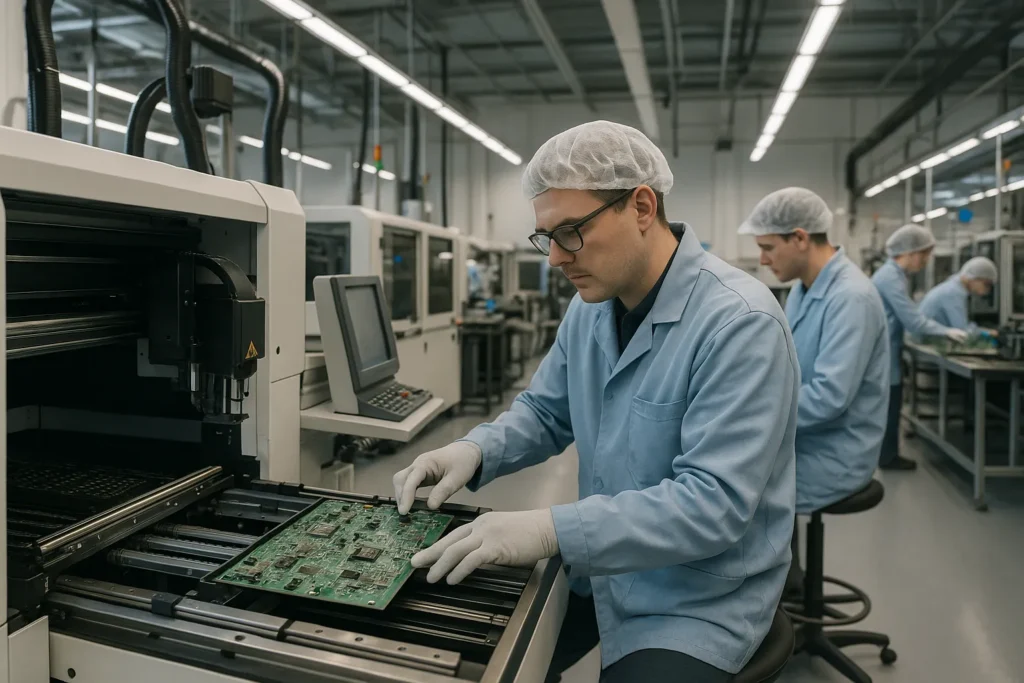
Applications: Insulators, spacers, and dielectric components

Applications: Bushings, bearings, and custom machined parts resistant to corrosive media

Applications: High-purity precision components with smooth finishes
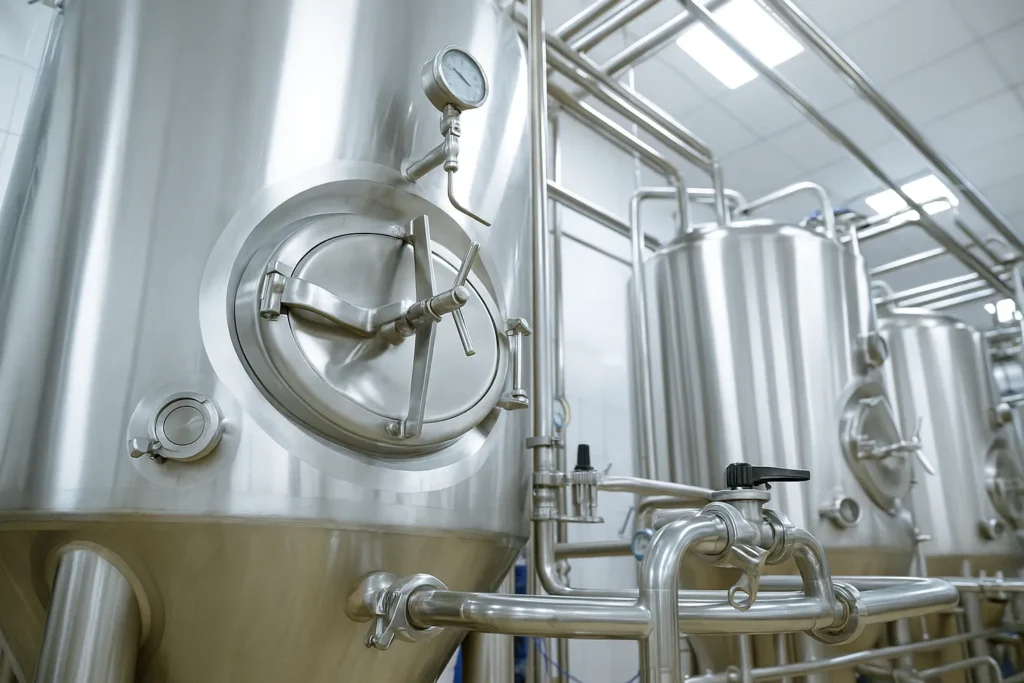
Applications: Hygienic seals, fittings, and machined parts for tanks and processing equipment
Xiflon PCTFE RODS are engineered to meet stringent global safety, environmental, and industry-specific standards. Our materials are tested and certified to ensure suitability across critical sectors, including chemical processing, automotive and other industry sectors.





Diameters 6–60 mm in 1000 mm lengths; custom cuts on request. Tolerances: Ø 0/+1–0/+2 mm, length 0/+20 mm.
Extruded under strict quality control for smooth, contamination-free surfaces with excellent roundness.
Very low gas permeability; −240 °C to +150 °C service range; strong dielectric behavior and rigidity.
Multilingual technical support from selection through machining to end-use applications.
Chosen by leaders in aerospace, cryogenics, chemical processing, and electrical engineering.
PCTFE rods (
What sets PCTFE apart from other fluoropolymers is its unique molecular structure. The presence of chlorine in its chain increases rigidity and enhances gas barrier properties, making it significantly less permeable than PTFE or FEP. This characteristic allows PCTFE to perform reliably in vacuum systems, cryogenic equipment, and high-purity applications where gas leakage must be minimized.
In terms of performance, PCTFE offers:
High tensile strength (≥ 45 MPa) ensuring resistance to mechanical stress
Excellent elongation (≥ 180%) for flexibility under load
High hardness (≥ 70 Shore D) maintaining rigidity over time
Thermal stability across a wide service range of –240 °C to +150 °C
Outstanding chemical resistance against acids, solvents, and oxidizers
These properties make PCTFE rods ideal for use in environments that demand a combination of strength, reliability, and impermeability. They’re also naturally transparent, allowing visual inspection in fluid systems, and feature a low-friction, glossy surface that minimizes wear in dynamic applications.
PCTFE’s ability to retain mechanical precision under extreme conditions—without warping, swelling, or degrading—makes it a top choice for engineers working in aerospace, cryogenics, and chemical processing industries.
PCTFE rods are used across a wide range of industries because of their exceptional stability, chemical inertness, and resistance to gas permeability. These qualities make them a trusted material for high-performance mechanical and sealing components.
1. Aerospace and Defense
PCTFE’s combination of strength, rigidity, and low gas permeability makes it ideal for valve seats, seals, and bushings in fuel systems and cryogenic control components. It withstands temperature fluctuations and vacuum conditions typical in aerospace applications.
2. Cryogenics and Refrigeration
In cryogenic environments, PCTFE rods maintain flexibility and toughness at temperatures as low as –240 °C. They are frequently machined into valve seats, plugs, and seals used in liquid nitrogen and LNG systems, where materials must resist brittleness and dimensional change.
3. Chemical Processing
The outstanding chemical resistance of PCTFE makes it ideal for contact with aggressive fluids, acids, and oxidizers. It’s commonly used in gaskets, diaphragms, pump components, and lining materials for chemical manufacturing systems.
4. Electrical and Electronics
PCTFE provides excellent dielectric strength and low dissipation, which makes it valuable for insulators, transparent electrical covers, and bushings in high-voltage systems.
5. Optical and Transparent Components
Its natural transparency and dimensional accuracy make PCTFE suitable for sight glasses, inspection windows, and flow visualization elements used in cleanroom and vacuum environments.
In short, PCTFE rods are the material of choice for engineers and manufacturers seeking precision, long-term durability, and gas-tight performance in demanding applications.
While both PCTFE and PTFE belong to the fluoropolymer family, they serve different purposes based on their mechanical and thermal profiles.
1. Rigidity and Mechanical Stability
PCTFE is significantly stiffer and more dimensionally stable than PTFE. It resists deformation and creep under load, making it suitable for precision components that must retain shape over time. PTFE, by contrast, is softer and more flexible.
2. Gas and Moisture Permeability
One of the most important advantages of PCTFE is its extremely low gas permeability. It effectively prevents gas and vapor transmission, a critical factor for vacuum systems, sealed enclosures, and cryogenic valves.
3. Temperature Performance
PTFE performs better at very high temperatures (up to 260 °C), but PCTFE excels at cryogenic temperatures down to –240 °C, maintaining toughness and stability where PTFE can become brittle.
4. Chemical Resistance
Both materials resist most chemicals, but PCTFE provides better resistance to strong oxidizing agents and superior mechanical integrity in chemically aggressive environments.
5. Appearance and Machinability
PCTFE is transparent and glossy, while PTFE is opaque. Its rigidity allows for precision machining with clean edges and smooth finishes—ideal for tight-tolerance parts.
In summary, PTFE is chosen for extreme heat and flexibility, whereas PCTFE is preferred for rigidity, cryogenic durability, and impermeability.
Yes — PCTFE rods are designed to perform across an exceptionally wide temperature range, from –240 °C to +150 °C. This makes them suitable for use in both cryogenic and moderate heat environments.
At ultra-low temperatures, PCTFE retains its toughness, ductility, and dimensional stability. Unlike many plastics that become brittle, it remains impact-resistant, ensuring safe operation in cryogenic valves, pumps, and seals.
When exposed to higher temperatures (up to +150 °C), PCTFE maintains its mechanical strength and chemical inertness without softening or degrading. Its melting point near 212 °C provides an additional safety margin for intermittent heat exposure.
Another advantage is PCTFE’s low thermal expansion and minimal moisture absorption. These factors ensure that components maintain tight dimensional tolerances, even through repeated temperature cycling.
As a result, PCTFE is one of the few fluoropolymers that can reliably operate in systems where cryogenic cold and ambient heat alternate, such as aerospace cryogenic controls, LNG handling, and high-precision refrigeration systems.
Yes — custom sizes and precision machining are available to meet specific engineering or production requirements.
1. Standard Supply Dimensions
PCTFE rods are commonly available in diameters ranging from 6 mm to 60 mm and lengths up to 1000 mm. They can be supplied with tight tolerances and a smooth, glossy finish that supports easy machining.
2. Custom Cut Lengths and Diameters
For unique applications, rods can be cut or extruded to custom lengths upon request. Whether for prototyping or series production, tailored sizes help minimize material waste and optimize performance.
3. Machining and Fabrication
PCTFE rods can be machined into complex parts such as bushings, valve seats, seals, and transparent inserts using standard metalworking tools. The material’s rigidity allows for excellent dimensional accuracy, and its low friction surface ensures smooth finishing.
4. Clean Production and Storage
Each rod is produced under controlled manufacturing conditions to ensure purity, free from metal inclusions or particulate contamination. For best results, rods should be stored in a cool, dry environment and allowed to stabilize at room temperature before machining.
With flexible supply options and expert machining support, PCTFE rods can be seamlessly integrated into any precision engineering project requiring reliability, performance, and long-term dimensional stability.